
Your Real Estate Resume is Getting Ignored – Here’s Why
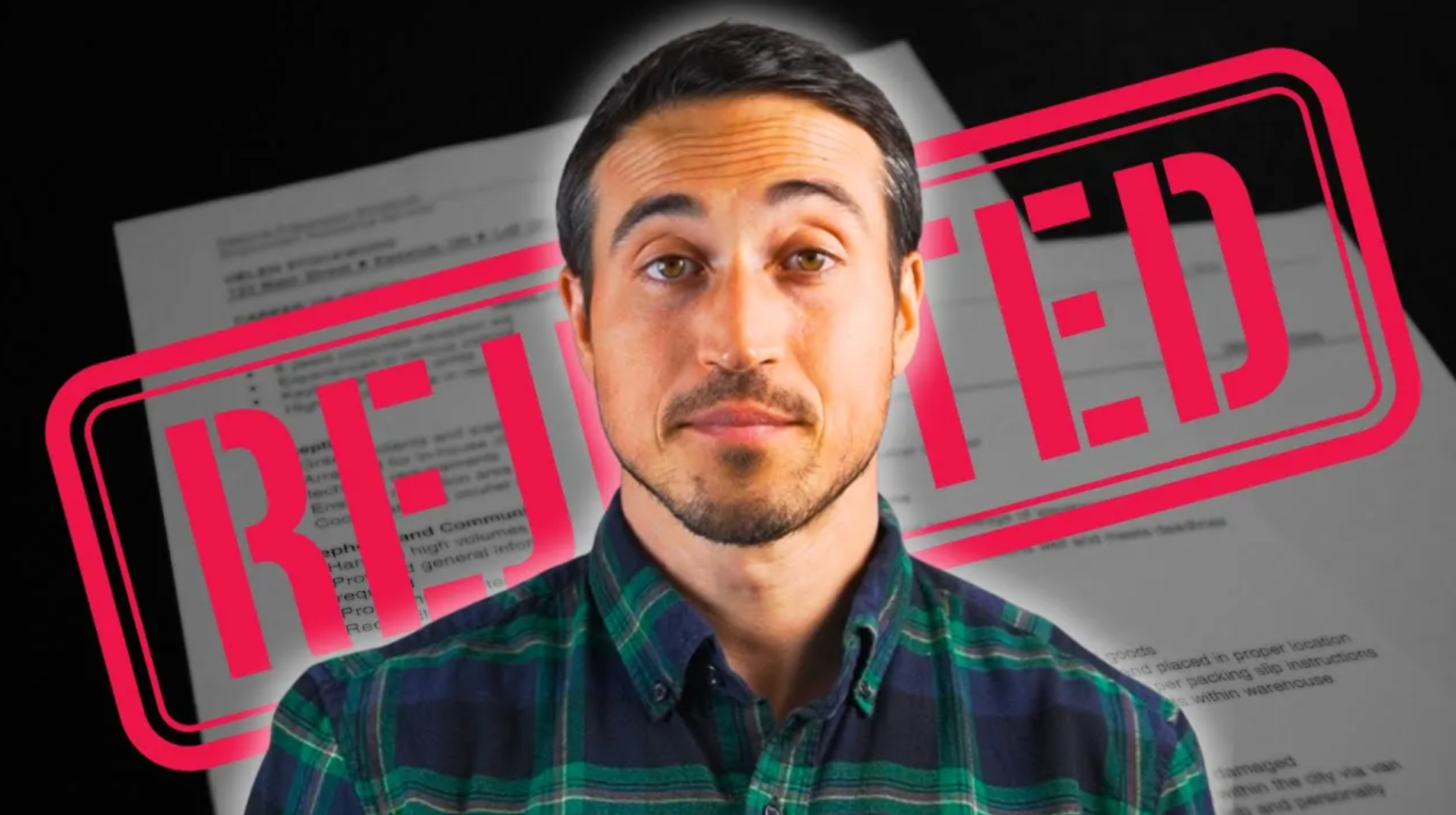
If you’ve been applying to commercial real estate jobs and you’re not hearing back from potential employers, there’s a very good chance that your resume could be what’s holding you back.
A lot of candidates that would be great hires for commercial real estate firms just aren’t showcasing the value they could bring to a company, which ends up disqualifying these people before they can even have an initial conversation.
So to help you make it through the resume screening process when applying for jobs at commercial real estate firms, this post walks through four of the biggest resume mistakes I see on a regular basis, and the changes you can make to improve your chances of landing an interview.
Watch the Full Video Here:
#1: Not Summarizing Your Accomplishments
The first thing that’s probably causing your resume to get ignored by recruiters and hiring managers is that you don’t have a professional summary section that concisely describes both what you’ve accomplished and where you’re looking to go.
This is especially important for career switchers or students without full-time job experience in commercial real estate, since this provides an opportunity to tell a potential employer up-front how your background and experiences directly relate to the job you’re applying for.
This section should be concise, with no more than about 2-3 sentences that describe your most relevant skills and achievements (that would ideally help you contribute from day one on the job).
For example, if you’re coming from a background in corporate finance, a professional summary section might look something like:
“Detail-oriented financial analyst with 3 years of experience building complex financial models and developing strategic recommendations for Fortune 500 companies, seeking to leverage analytical abilities and knowledge of Excel to contribute to the growth of a commercial real estate investment firm.”
Or if you’re a student looking to land a full-time role after graduation, a professional summary section might look something like:
“Recent college graduate with a strong academic background in real estate finance and economics and internship experience in acquisitions and investment sales, seeking to leverage strong knowledge of investment underwriting in a full-time analyst role.”
The strongest resumes in this industry make it very clear up-front that a candidate has tangible skills that would be relevant to the position, along with a clear understanding of what would be required of them if they were hired.
#2: Responsibilities vs. Achievements
The second big mistake I see on commercial real estate resumes is that people tend to prioritize listing general job responsibilities over highlighting measurable achievements.
Especially in a competitive hiring environment, employers are looking for candidates who have clearly made a positive impact on the companies they’ve worked for (or the schools they’ve graduated from), rather than people who just went through the motions.
For example, a resume that says a candidate was responsible for “managing client relationships” is a lot less likely to result in an interview than a resume that says a candidate increased client retention by 20% during their tenure.
This is especially relevant for applicants with experience that’s either directly or indirectly related to the real estate industry, so if you’ve held internships or full-time jobs in residential home sales, architecture, construction management, or real estate law, quantifying the number, the aggregate value, and the location of the transactions you’ve worked on can all be helpful to demonstrate your skills.
And even if your experience isn’t directly tied to the real estate field, you’ll still want to highlight how you exceeded company expectations in whatever roles you’ve taken on, whether that’s hitting sales quotas, taking on leadership opportunities, or even making internal processes more efficient on a day-to-day basis.
Hiring managers want to see concrete evidence that you’re a high performer, regardless of the fields you’ve worked in, and incorporating specific numbers and outcomes on your resume will help you stand out among other applicants.
#3: Claiming Technical Skills Without Proof
The third mistake that might be getting your resume ignored is very similar to the last thing we talked about, and this is that you’re claiming you have technical skills without showing that you have them.
One of the least impactful things you can add to a real estate resume is a bullet point that says “Proficient in Microsoft Excel and PowerPoint,” and instead, this space should be utilized to showcase how you’ve used these programs at work or in school.
This could involve talking through a financial model you built in Excel to analyze a potential development project, this could involve a PowerPoint presentation you built to pitch an opportunity to senior leadership, or this could even involve talking about how you used these tools to underwrite your own real estate investments.
And aside from how you used these on the job or in school, it can also be extremely helpful to list any coursework or certifications you have that clearly show your technical abilities. These could be Break Into CRE financial modeling courses, general Excel courses, or even an ARGUS certification.
Even though many firms will still expect candidates to complete an Excel modeling exam towards the end of the interview process, a strong technical skill set is typically a requirement to be invited for an interview in the first place, and these are all ways to prove that you’ve checked this box.
#4: Lack of Customization
The last mistake that might be getting your resume ignored is that you’re not tying your academics or work experience to the specific jobs you’re applying for.
Companies can tell when candidates create a generic resume that’s designed to be submitted for any job that sounds even remotely interesting, so spending just a few minutes to customize this for every role you apply for can be a huge differentiator during the process.
All this requires is reading through a job description and either expanding on or adding bullet points that directly demonstrate your abilities to do the job required, and this could also involve adding keywords that employers would be looking for in each specific role.
This could even be as simple as tweaking the professional summary section I mentioned earlier to change the type of company you’re looking to join (based on what each company’s core business is), so this doesn’t have to be a particularly long or drawn-out process.
You’d be surprised at how many candidates don’t do this, or even reference entirely different firms or entirely different industries when submitting applications. The more you can make it clear that you’re intentionally applying for the specific job you’re interested in, the more likely it is that you’ll be invited in for an interview.
How To Stand Out from the Competition
If you want to tighten up your resume and make sure you have the technical skills you’ll need to pass an Excel modeling exam that might be given to you during the interview process at commercial real estate firms, make sure to check out our all-in-one membership training platform, Break Into CRE Academy.
A membership to the Academy will give you instant access to over 120 hours of video training on real estate financial modeling and analysis, you’ll get access to hundreds of practice Excel interview exam questions, sample acquisition case studies, and you’ll also get access to the Break Into CRE Analyst Certification Exam, which covers topics like real estate pro forma and development modeling, commercial real estate lease modeling, equity waterfall modeling, and many other real estate financial analysis concepts that will help you prove to employers that you have what it takes to tackle the responsibilities of an analyst or associate at a top real estate firm.
Grab The Free Real Estate Financial Modeling Crash Course

Learn The Three Pillars of Real Estate Financial Modeling & How To Build Models on Autopilot